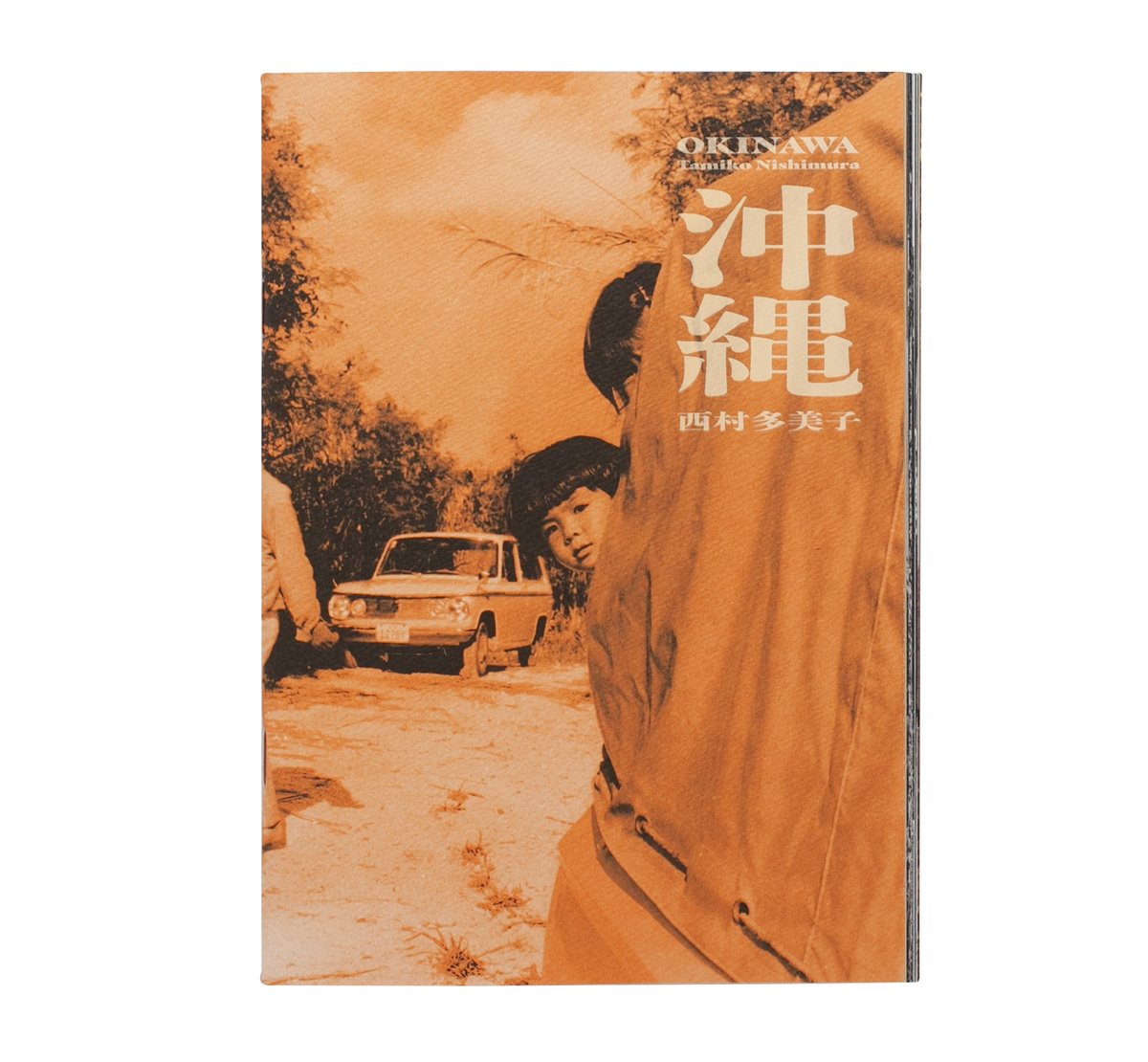
Signed, New
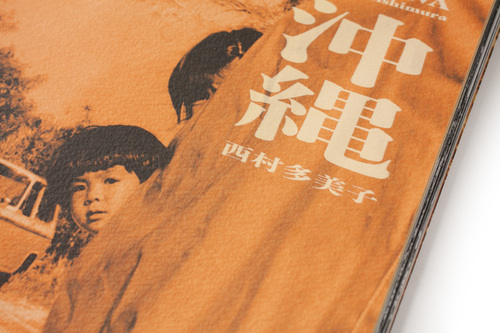
Okinawa
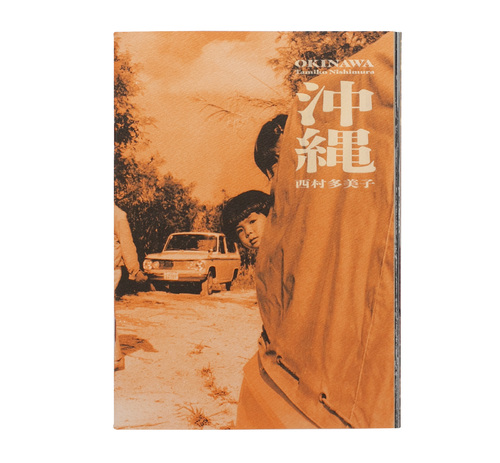
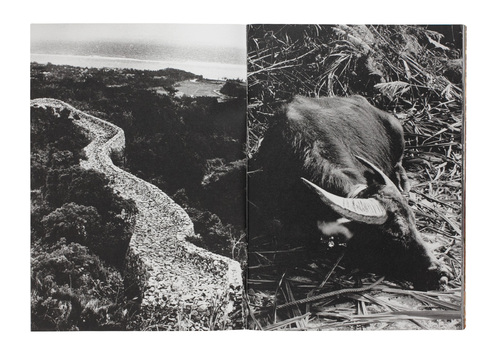
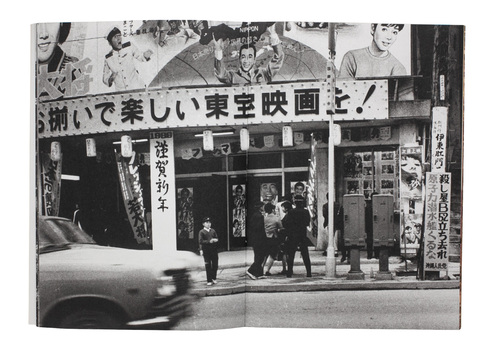
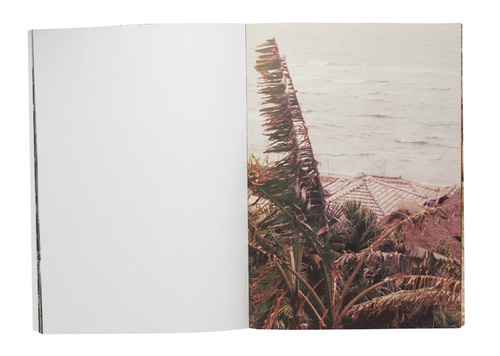
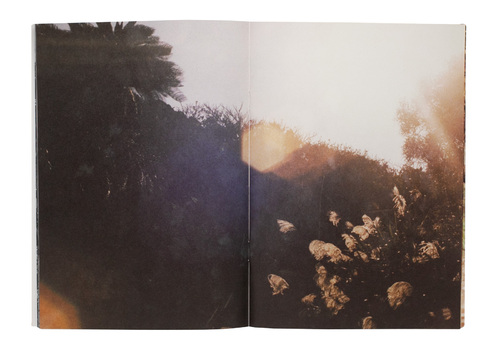
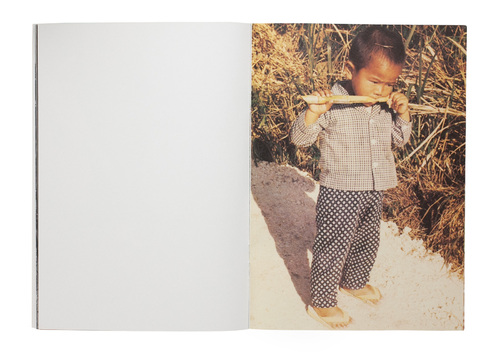
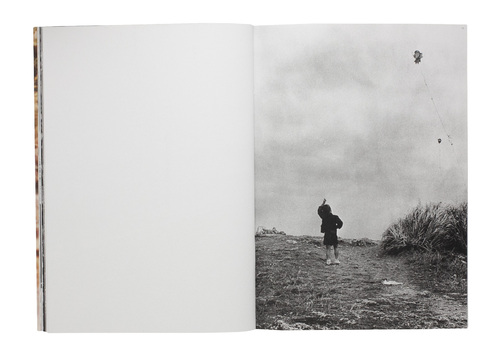
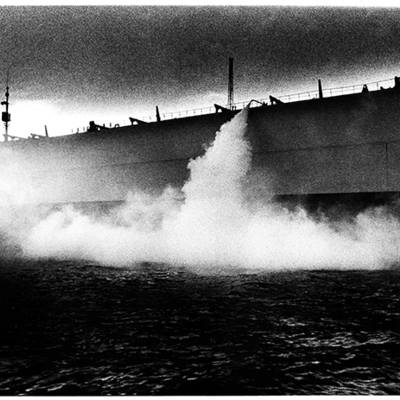
With “Okinawa,” Japanese photographer Tamiko Nishimura publishes the earliest work of her photographic career for the first time, nearly sixty years after she began taking photographs.
At the end of 1968, while still a student, Nishimura travelled to Okinawa, her first time on a plane and her first time travelling alone. Arriving in Naha, she travelled north through the island before returning to Okinawa City (then Koza) in the center.
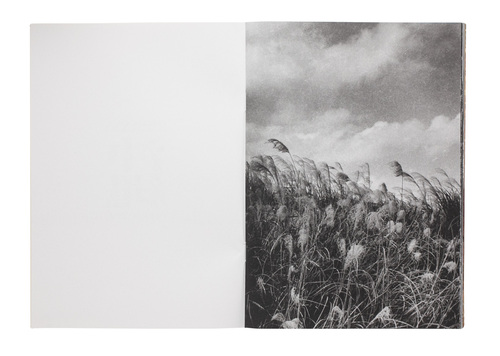
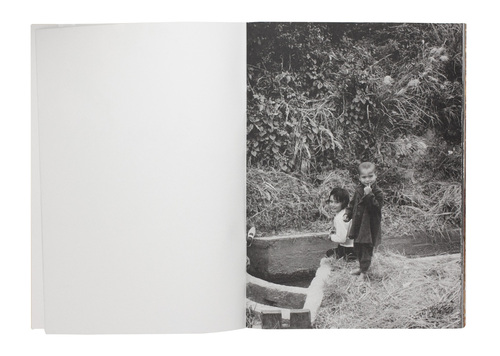
Shot mostly in black and white, with some photographs in color, these images capture Okinawa at a pivotal moment in its history. Three years before the Reversion Agreement would return sovereignty to Japan, Okinawa remained divided not only between two nations but between different eras. In some areas, living conditions still resembled those of a pre-industrial society, while the cities were undergoing rapid postwar modernization. Even in this earliest body of work, Nishimura displays the sharp, personal eye that would come to define her later travel photography: an ability to convey both her own emotional response and the atmosphere of a person or place within a single image.
“One evening, I took a walk along the beach with a young woman from the family, a hairdresser who had returned home from mainland Japan for the New Year holidays. We talked as we walked by the sea. The next morning, she washed and styled my hair before seeing me off.
Before entering Koza, I stopped at Pizza House for a meal. There, someone warned me: ‘The town is divided into Japanese, White, and Black districts, separated by the streets. Whatever you do, don’t wander into the other side by mistake.’ With Kadena Air Base nearby, Koza felt nothing like Japan. I remember moving throught he town with a constant sense of tension.
I spent New Year’s Day 1969 on Ie Island. It didn’t feel like a Japanese New Year at all.”
― from Tamik Nishimura’s afterword
$39.86
- -判型
- 257 × 185 mm
- -頁数
- 80頁、掲載作品48点
- -製本
- ソフトカバー
- -発行年
- 2026
- -言語
- 英語、日本語
- -エディション
- 750
- -ISBN
- 978-4-910244-53-2