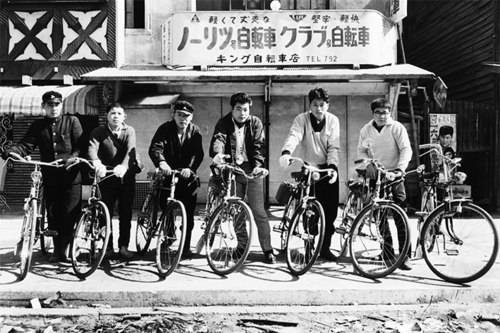
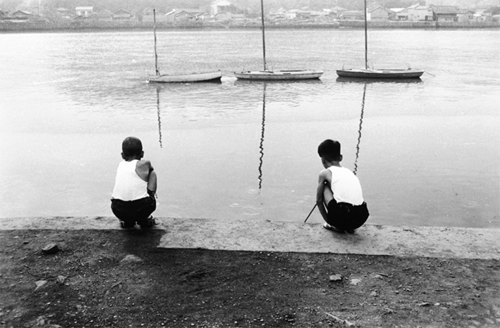
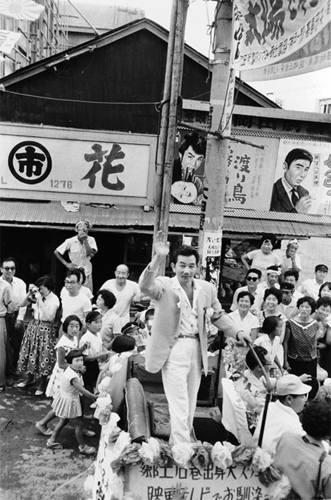
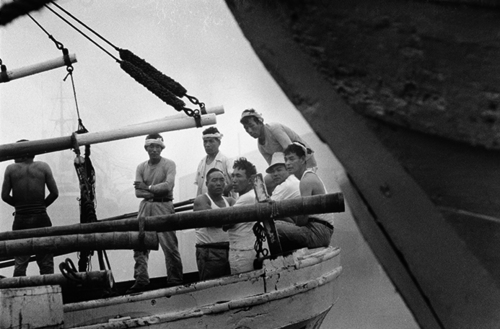
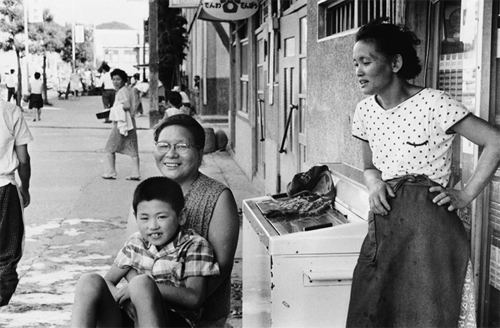
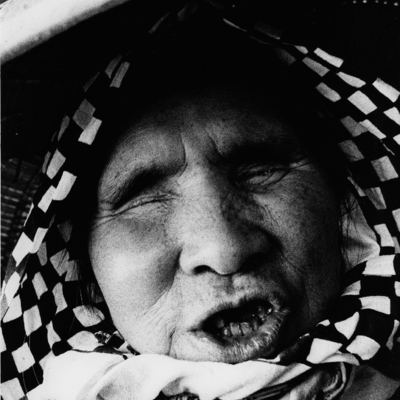
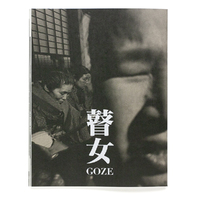
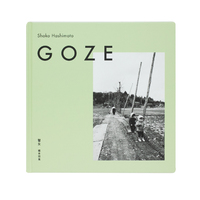
Born in Ishinomaki in 1939, Hashimoto graduated from Nihon University, College of Art in 1964, specializing in photography. In 1974, he received the Newcomer Award from the Photographic Society of Japan with his photobook “Goze” (Nora-sha), documenting blind women entertainers who performed and told stories in exchange for food and shelter. In the same year, the series was selected for the “15 Photographers” exhibition at the National Museum of Modern Art, Tokyo and collected by the museum; the exhibition also included works by Nobuyoshi Araki, Kazuo Kitai, Takuma Nakahira, Masahisa Fukase, Daido Moriyama and others.
Hashimoto actively photographed Lee Dynasty folk paintings in Korea from 1979 to 1981. He had travelled to Nagano, Yamagata, Fukuoka, Kumamoto, Yamanashi and Miyagi prefectures to document the folk customs of Japan that were gradually disappearing as a photojournalist. Since 2011, he has regularly returned to photograph his hometown, Ishinomaki, which was devastated by the Tohoku earthquake and tsunami.
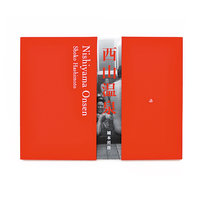
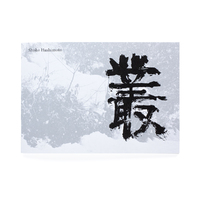
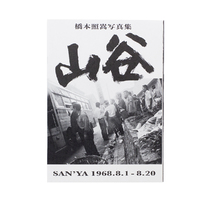
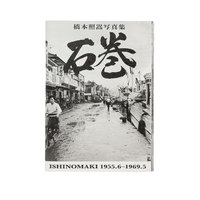
His solo exhibitions include: “Goze” (Zen Foto Gallery, 2013; Zeit-Foto Salon, 2014), “Nishiyama Onsen — Empire of Nakedness” (Zen Foto Gallery, 2014), “A Village Lullaby” (Zen Foto Gallery, 2015), “Biwa Houshi” (Zeit-Foto Salon, 2016), “Literary Scholars” (Sokyusha, 2017), “Goze” (Zen Foto Gallery, 2020), “Goze — Shoko Hashimoto” (Ikeda Art Museum, Niigata, 2022), and “Goze” (AN-A Fundación, Barcelona, 2022). His publications include: “Goze” (Aron Shobo, 1988), “Kitakami River” (Shumpusha, 2014), “Nishiyama Onsen” (Zen Foto Gallery, 2014), “Kitakami River New Edition” (Shumpusha, 2015), “Undergrowth” (Zen Foto Gallery, 2016), “San’ya 1968.8.1–8.20” (Zen Foto Gallery, 2017), “Goze Asahigraph Reprint” (Zen Foto Gallery, 2019), “Goze” (New Complete Edition, Zen Foto Gallery, 2021), and "Ishinomaki 1955.6–1969.5" (Zen Foto Gallery, 2023)